SUZUKI E4131 Exhaust Camshaft Decomp Cam
fits model: Rmz250, Rmz, 250. make: Suzuki. year: 2007–2009.
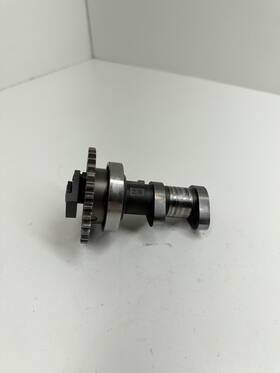
( Manufacturer Part Number: E4131 ), ( Engine Type: 4-stroke ), ( Type: Camshaft ), ( Machine Type: Off-road Motorcycle ), ( Items Included: Bolts ), ( Finish: Unfinished ), ( Country Of Origin: Japan )
Review SUZUKI Exhaust Camshaft Decomp Cam Oem fits RMZ250 RMZ 250 2007–2009
The Suzuki E4131 camshaft, specifically designed for the Suzuki RMZ250 motorcycles manufactured between 2007 and 2009, is an essential performance upgrade for those seeking to enhance the power output and riding experience of their two-wheelers. This camshaft is often referred to as a "decomp cam," which stands for decompression cam. When installed, it modifies the engine's behavior during the decompression stroke, improving the overall combustion efficiency.
This aftermarket camshaft from Suzuki features an intricately crafted design to optimize the intake and exhaust valve timing. The camshaft's profile is meticulously engineered to provide enhanced power and torque throughout the RPM range. The result is a more responsive engine that delivers smoother power delivery and increased top-end performance.
The E4131 camshaft is manufactured using high-quality materials and advanced manufacturing techniques to ensure durability and reliability. It undergoes rigorous testing to ensure it meets Suzuki's stringent quality standards. The camshaft's surface is treated with a durable coating to protect it against wear and corrosion.
Installing the Suzuki E4131 camshaft on your RMZ250 involves removing the old camshaft and installing the new one following the instructions provided in the installation manual. It is recommended that the installation is performed by a professional mechanic to ensure proper alignment and timing.
By upgrading to the Suzuki E4131 camshaft, you can expect noticeable improvements in your motorcycle's performance. The engine will rev more smoothly, and the power delivery will be more responsive, making your riding experience more enjoyable and exhilarating. Whether you're a seasoned racer or a weekend warrior, this camshaft upgrade is an excellent investment for any Suzuki RMZ250 owner looking to extract maximum performance from their machine.
The Suzuki RMZ250, specifically the model years 2007-2009, is known for its agility and performance in the motocross scene. One common aftermarket upgrade for this bike is the replacement of the stock exhaust camshaft with a decompressor cam. Here are some potential pros and cons of making this modification.
Pros:1. Improved Power: A decompressor cam can provide an increase in power, especially in the mid-range revs. This can lead to better acceleration and overall performance.
2. Enhanced Engine Responsiveness: With a decompressor cam, the engine becomes more responsive, making it easier to ride and maneuver, especially in technical tracks.
3. Customization: Installing a decompressor cam is one of the many ways to customize your RMZ250 and make it stand out from the stock model.
Cons:1. Cost: Replacing the exhaust camshaft with a decompressor cam can be expensive. The cost includes purchasing the new cam, the labor for installation, and possibly other related components.
2. Complexity: This modification is not a simple bolt-on upgrade. Installing a decompressor cam requires disassembling the engine, which can be a time-consuming and complex process.
3. Potential Performance Trade-offs: While the decompressor cam can improve mid-range power, it might negatively impact top-end power. Additionally, it can affect fuel economy and emissions.
In conclusion, the decision to buy and install a Suzuki RMZ250 (2007-2009) decompressor cam depends on your personal preferences and priorities. If you are looking for a significant power increase, improved engine responsiveness, and the satisfaction of a customized bike, then this modification might be worth the investment. However, consider the costs, complex installation process, and potential performance trade-offs before making the purchase.
Recommendation:If you decide to pursue this modification, ensure that you source the cam from a reputable dealer or manufacturer. Proper installation by a qualified mechanic is also crucial for the best results and to minimize any potential issues. Remember to consult your bike's user manual and perform the necessary safety precautions before attempting any modifications.
Details:
.
part #: e4131 price
- $129.99
specifications cylindermotorcycleiz:
- for models: Rmz250, Rmz, 250
- for makes: Suzuki
- for years: 2007-2009
- mpn: E4131
- engine type: 4-stroke
- type: Camshaft
- machine type: Off-road Motorcycle
- items included: Bolts
- finish: Unfinished
- country of origin: Japan
seller cylindermotorcycleiz:
- rating: 99.9%
- # reviews: 1705
- city: Ortonville, Michigan
general cylindermotorcycleiz:
- Motorcycle Scooter Parts Accessories > Engines Engine Parts > Cylinder Heads
- condition: Used
shipping cylindermotorcycleiz:
- class: Standard
- cost: $0.00
- service: USPS Ground Advantage
- carrier: USPS
- type: Fixed
- transit: 5-10 Days
offer cylindermotorcycleiz:
- options: Ship-to-home
- sold: 0
- quantity: 1
- started: February 14, 2026
- availability: In Stock
returns cylindermotorcycleiz:
- policy: No Returns
payments cylindermotorcycleiz:
- credit card: Diners-club
- other
- wallet: Paypal
Suzuki E4131 Is Similar To:
- 06-07-08-suzuki-11101-39a50-valve-top-end-2001 Engine Suzuki Cylinder Head Front Cam Rocker Intruder Boulevard (19% similar) Thanks and ride safe. The part number shows it will fit these model's. VS800G intruder VS800 S50 boulevard the condition is good in head assembly ready for use. The listing will include cam and rockers cylinder head front rocker VS800G S50 intruder boulevard 05 this is a that was pulled off 2005 ...(April 7th, 2018)
- 07-08-suzuki-11103-39a50-valve-top-end-2001-2002 Engine Motor Suzuki Cylinder Head Rear Cam Rocker Intruder Boulevard (18.3% similar) The part number shows it will fit these model's. VS800G intruder VS800 S50 boulevard the condition is good in head assembly ready for use. The listing will include cam and rockers. Thanks and ride safe...(April 7th, 2018)
- 09159-08049 Suzuki Cylinder Head Nuts And Washers Oem (26.2% similar) ...(March 2nd, 2019)
- 09168-10017 Suzuki Oem Gn Cylinder Head Washer (17.4% similar) ...(September 24th, 2018)
- 1100-29g00 Suzuki Gsxr Oem Engine Top End Cylinder Head (19.4% similar) Honda Yamaha Kawasaki suzuki GSX 600 GSXR600 oem engine top end cylinder head 1100-29G00 this is in very good condition and shows normal signs of wear. Shipping over of our orders are shipped within 24HRS...(July 12th, 2018)
- 11100-01d01 Suzuki Oem Engine Top End Cylinder Head Used (16% similar) Removed from: 1991 suzuki GS500E with 4,928 miles please review all pictures to assess the condition of item. Free shipping listed flat rate prices are only good for the lower 48 states. 2WHEELMORGUE 1991 suzuki GS500E oem engine top end cylinder head used this is in very good condition and ...(June 7th, 2018)
- 11100-01d20 Oem Suzuki Complete Cylinder (25.7% similar) This could be as simple needing a new bearing or other normal maintenance service. Rating d: this part is in need of some sort repair or reconditioning to be a good usable. All makes and model's. Only minimal light normal use marks signs of if anything. Less than 10 of items will receive in this ...(February 10th, 2018)
- 11100-02f01 Suzuki Tl Oem Engine Top End Rear Cylinder Head (17.2% similar) Removed from: 1998 suzuki TL1000S with N/A miles please review all pictures to assess the condition of item...(July 10th, 2018)
- 11100-05h00 Suzuki Head Assembly Cylin New Oem 718721380379 (26.6% similar) New oem suzuki head assembly cylinder part number: 11100-05H00ITEM only fits specific model's listed. New oem suzuki head assembly cylinder part number: 11100-05H00ITEM only fits specific model's listed. The picture could be generic...(May 18th, 2018)
- 11100-07g00 Suzuki Ltz Cylinder Head Cam Shafts Shaft (26.2% similar) Shipping prices listed as free is only for the lower 48 states in us.: stores. If the item is defective I will cover return shipping cost. For sale is a suzuki 2004 LTZ 400 cylinder head cam shafts shaft 07G00 notes: parts may fit other makes and model's. I will try to note if see anything wrong ...(October 25th, 2018)
- 11100-08f10 Suzuki Head Assembly Cylnd New Oem 718721380409 (26.6% similar) The picture could be generic. New oem suzuki head assembly cylinder part number: 11100-08F10ITEM only fits specific model's listed. New oem suzuki head assembly cylinder part number: 11100-08F10ITEM only fits specific model's listed...(June 15th, 2018)